Mangaroa Farms · Volunteer Opportunity

Winter Residency
June – July 2026

Eight weeks on a regenerating farm in Whitemans Valley. Free board and staple kai in exchange for around twenty hours a week on the whenua — gardens, gorse, building, kitchen, story.

Applications close Monday, 11 May 2026 · Replies by Thursday, 14 May 2026

8
weeks on the land
~20
hours per week
8–10
spots in the cohort
3,000
acres in the valley
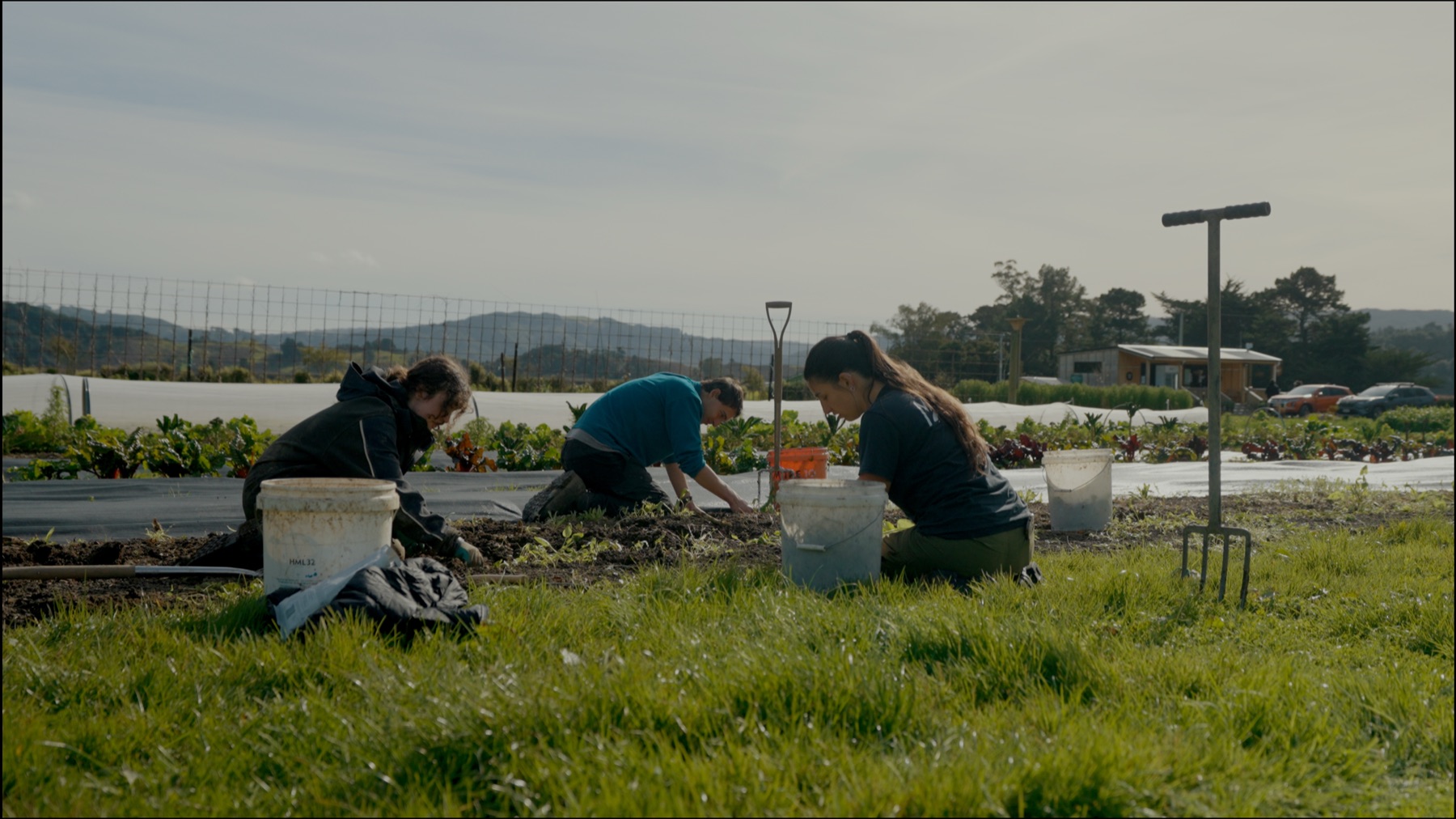
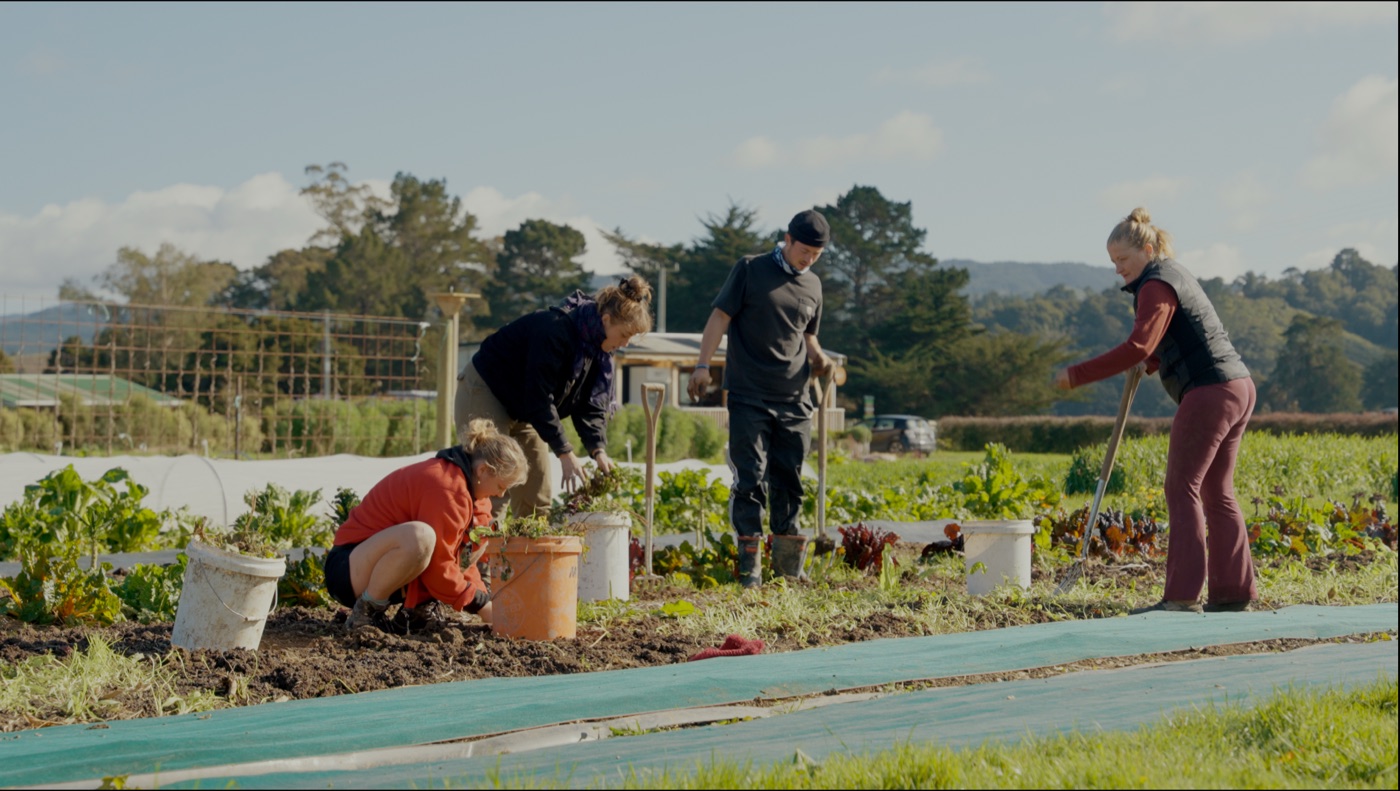
Working in the gardens at Mangaroa Farms

An invitation

During the winter months, we're inviting a small cohort of people to come live here, work alongside the team, and be a part of the wider Mangaroa mission. Eight weeks. The middle of winter. Real work, real food, real time on the land, and a chance to be part of something that doesn't quite fit any of the usual labels.

Call it a working stay. Call it a winter residency. Call it whatever feels true. What we know is that good people who turn up steady, give what they've got, and leave a place better than they found it. Those are the kind of people we're looking for. Those are the people who get the most out of their time at Mangaroa, or have the most meaningful time here.

The shape of it

An honest deal, plainly said.

What you give

Around 20-25 hours a week on the whenua.

Roughly five hours a day, five days a week, give or take. Market gardening, native planting, farm support, pest plant control, building, kitchen prep, and a dose of storytelling work for whoever's got the eye for it.

We group the work where it makes sense. Some days you'll be in a team with our farm crew, some days you'll be paired with another resident, working through a list. Two days off most weeks, your own.

What you get

Your own room, awesome kai, and a crew to work alongside.

A bed in one of our beautiful farm houses. Kai from the farm (delicious spray-free veges and regeneratively raised meat). Bulk staples (rice, pasta, oats, flour). Hot showers, wifi, a kitchen that holds the whole crew at dinner.

The deeper offer is harder to put on a list. Time outside. A different rhythm. People to think alongside. An experience in community.

The frame

1st June to 1st August, 2026.

Eight clean weeks. We prioritise people who can hold the full chunk — there's a depth that only opens up after a few weeks of being somewhere properly.

Four-week minimum if your life can't quite stretch to the full eight. Couples welcome — we have rooms set up for pairs.

This is a volunteer stay, not a paid role. The exchange is room and staple kai for your time on the land — no money changes hands either way.

A typical week

It moves with the weather and the work.

The team working together in the market garden

Mornings

Coffee, breakfast, the weather report. The day's plan gets sorted out as we go — sometimes a Monday brief sets the week, sometimes it's morning by morning. Gardens, plantings, the wood pile, animal chores, whatever's needed.

Lunches

Finish up mahi at 1pm. Self-organise lunches. Soup, eggs, sourdough, leftovers from last night, salad from the garden. Then the arvo is yours.

Afternoons

Space for yourself. Enjoy the valley how you like - creative time, walks in nature, reading, whatever suits you.

Evenings

Dinner together every night. Two cooks rotate. Eat slow, talk well, dishes get done. Some nights you might like to light the fire or watch a movie, some nights a yarn that goes too late. A lot of nights people just go to bed early — winter does that.

Weekends

Two days off over the weekend. Wellington's half an hour away. The Tararua range is an hour. Beaches on the east coast, or native forest at Kaitoke. Or stay in, read, walk the river, do nothing. We'll trust you to know.

House culture

Look after the spaces. Pull your weight in the kitchen. Be honest when something isn't working. The houses run on care, not rules — but the care has to be real.

Who we're looking for

Hardy hands. Open hearts. Honest about who you are.

It gets cold here in winter. You'll be working outdoors, often wet, often muddy, sometimes windy. We're after people who turn up steady, work alongside the team, and look after the land when no one's watching.

Attitude over CV

We'd rather have someone humble who'll get into the gorse than a credentialled person who won't. That said — if you bring a real skill, say so. We've got things on the go where the following come in handy:

  • · Tree planting/nursery
  • · Growing & gardening
  • · Butchery
  • · Building & carpentry
  • · Electrical/Plumbing
  • · Education
  • · Cooking & kitchen
  • · Photography & video
  • · Permaculture & agroforestry

Not a checklist. If your thing isn't here, tell us anyway — sometimes what we need turns up wearing the costume of something we didn't expect.

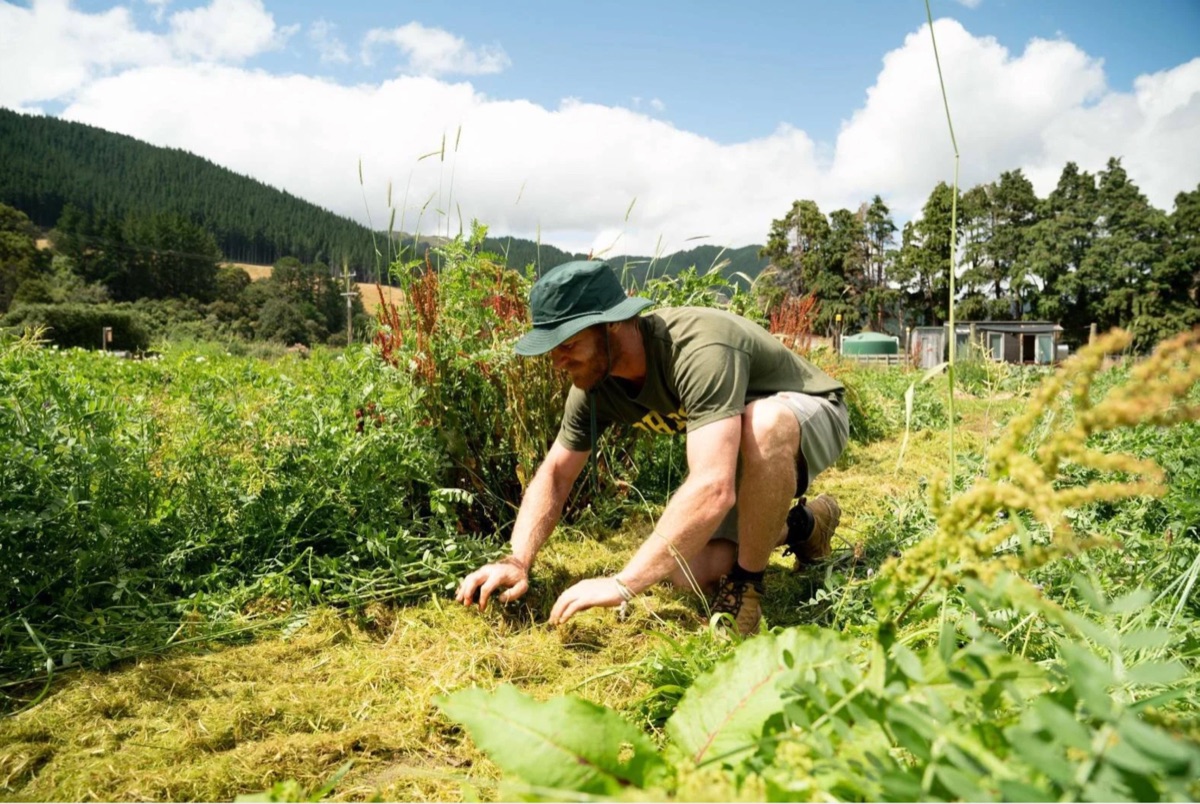
A farmer working in the garden under blue sky

Plug in

Two ongoing programs you might join.

Threads of work already running at Mangaroa. If your skills line up, your residency hours can flow into one of these.

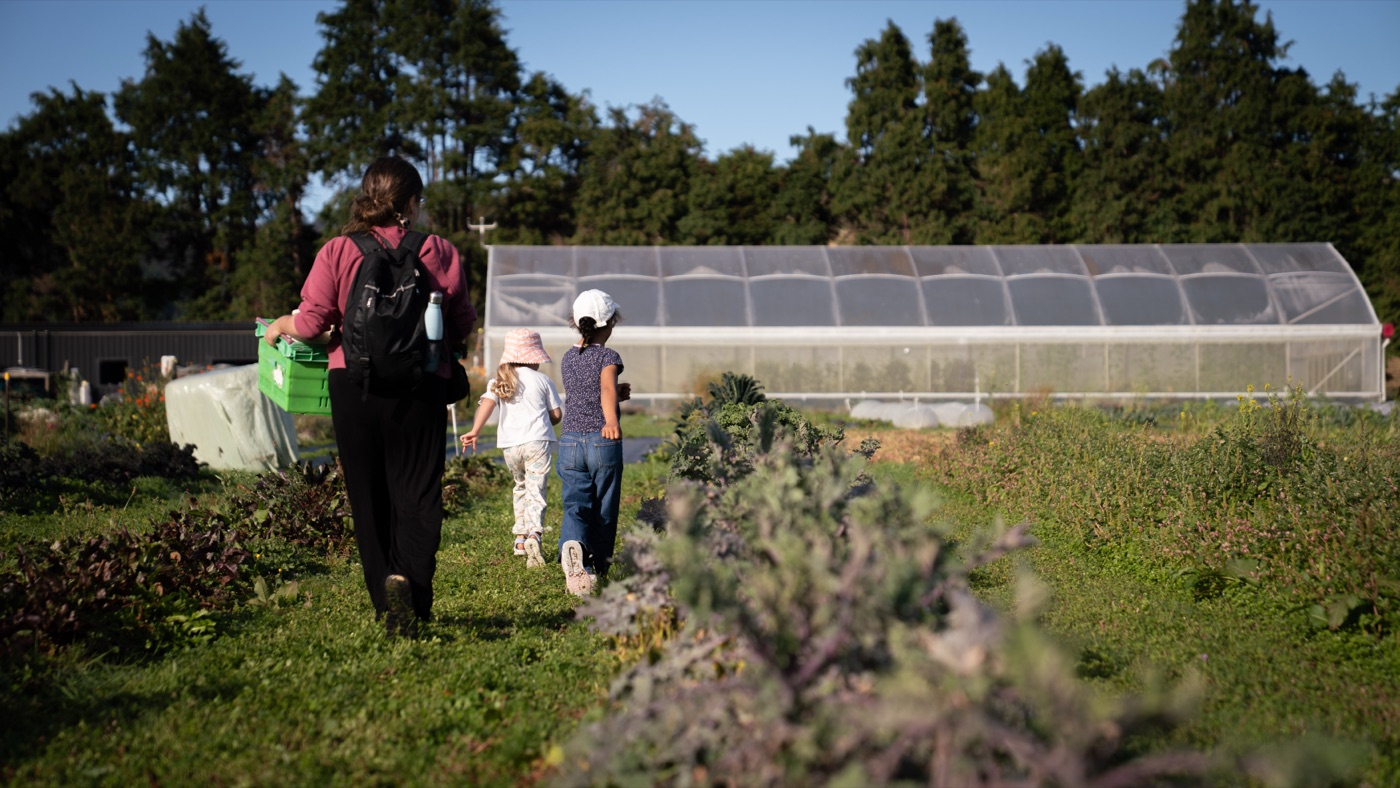
Hands-on learning on the whenua at Earth School.

Earth School

If you're drawn to working with kids on the whenua.

Earth School Aotearoa runs nature-based learning days at the farm — kids in the bush, the gardens, around the kitchen. Inspired by forest-school and outdoor-ed traditions: hands-on, relational, grounded in seasonal rhythm. If you've got teaching, facilitation, or storyteller energy, there's room for residents to plug in for a day or two each week.

Visit earthschool.nz
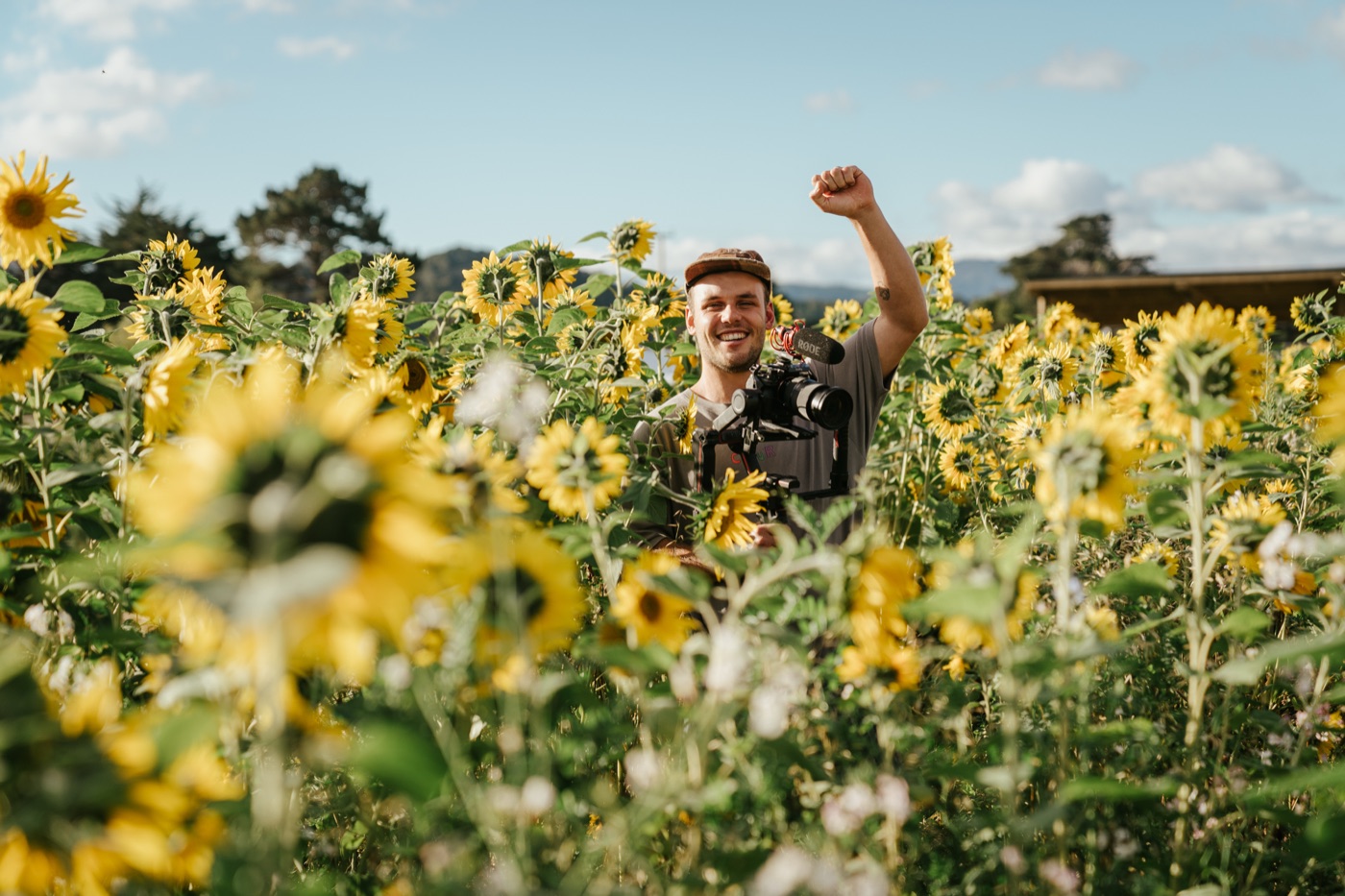
A storyteller capturing the work on the land.

Creator Exchange

If you make photo, video, or written stories — bring them.

Some of our richest stories come from people who pass through with cameras and sharp eyes. If you're a photographer, filmmaker, social-media maker, or writer, part of your residency hours can flow into producing aligned media for Mangaroa — Instagram reels, photo essays, longer-form pieces, or the quiet behind-the-scenes documentation that helps the farm tell its story properly. We're open to this kind of exchange and happy to make space for it. Quality of attention over follower count, every time.

The land

3,000 acres in Whitemans Valley.

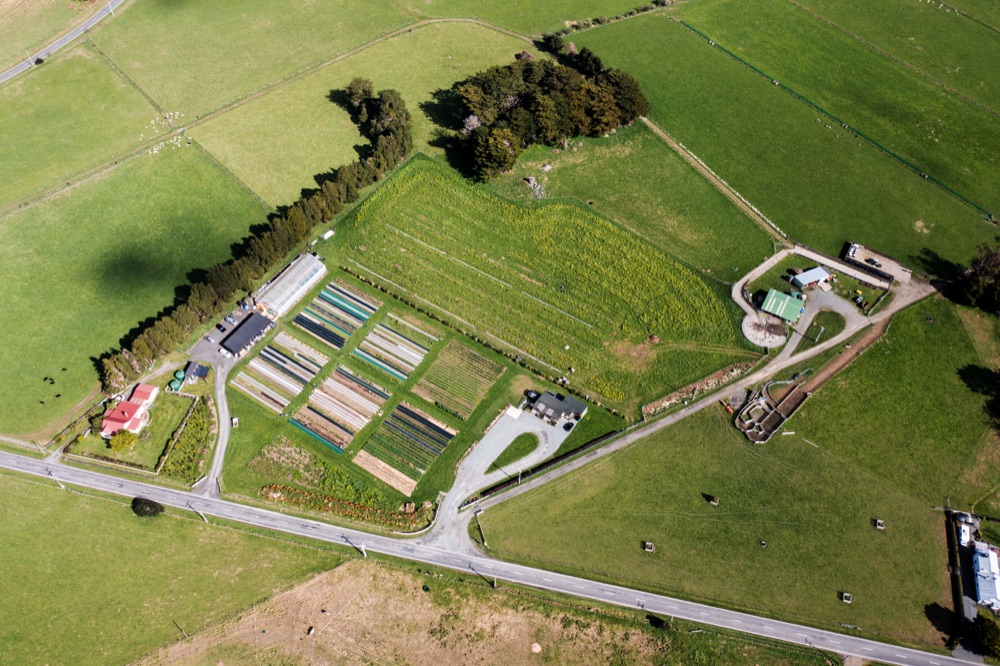
Mangaroa Farms is a community food hub and resilience centre nestled alongside the Mangaroa River, 45mins from Wellington, 10 mins from Upper Hutt. River bottom, native bush, market garden, free-range pasture, a yurt, a heritage church, a working kitchen.

A farm that's been finding its feet for years and is in a real flourishing chapter now. Trees going in. Gardens scaling up. The shop running. Events running. Lots of life here.

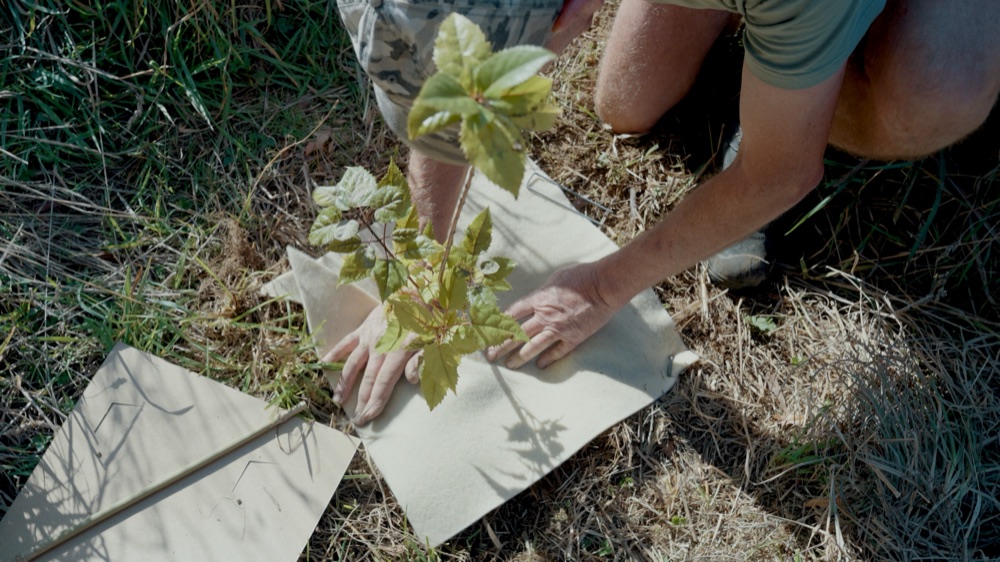
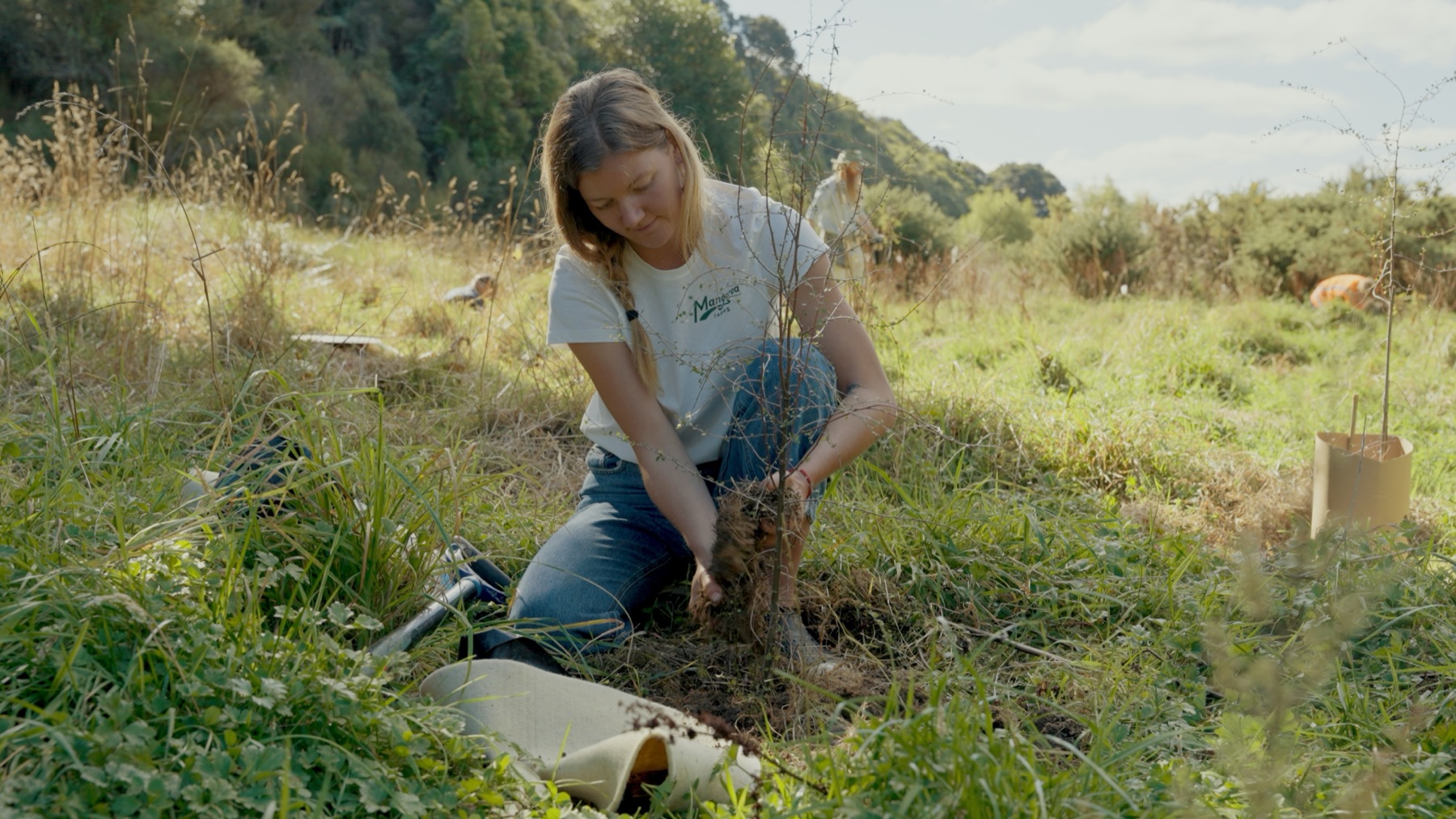
Hands planting a young tree on the farm
Aerial view of the farm and gardens
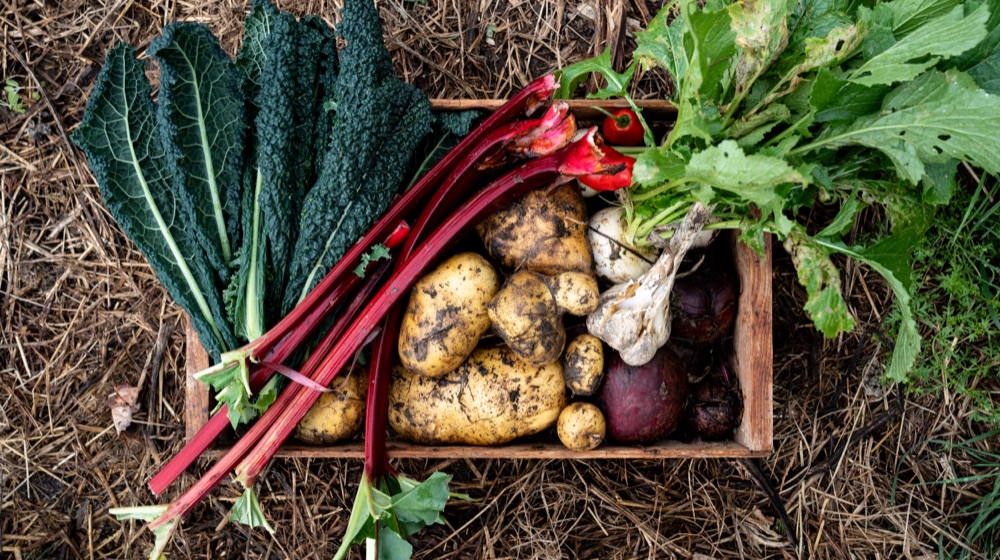
A box of vegetables fresh from the garden
A farm worker laughing with muddy hands

The people

A small crew. A big mission.

You'll work alongside our farm team and a handful of other residents. Two or three trusted folks help hold the houses. Everyone eats together at night.

Our team will be holding it down, directing and guiding at a high level - and we welcome your iniative.

This experience could change you.

What you might take away:

Reset

A different relationship to your phone, your body, the weather.

Eight weeks of being outside, working with your hands, eating real food. The kind of time that does its own quiet work on you.

Skill

A tangible craft you can name.

Regenerative practice, butchery, gardening at scale, off-grid systems, kitchen craft, animal stewardship. Pick one and we can show you something real.

Cohort

A small group of people who saw the same thing in this and showed up for it.

Some of those friendships outlast the season by a long way. Some of our closest collaborators came through stays like this.

Contribution

Real outcomes you can point to.

Trees planted that you can come back and visit. Gorse cleared. Beds turned. Stories told. Pieces of the place better than you found them.

Practicalities

The fine print.

Just to be clear — is this a paid role?
No. The Winter Residency is a volunteer stay, not employment. The exchange is your time on the land — around 20–25 hours a week — for a room and staple kai. There's no salary, stipend, or per-hour payment, and no money changes hands either way.
What does "around 20-25 hours a week" actually mean?
Roughly five hours a day, five days a week, give or take. We block hours into half-days where the work suits it. Two days off most weeks, though weather and the season can shift things.
What's covered, and what isn't?
Covered: a bed, bedding, meat and veg from the farm, bulk staples (rice, pasta, oats, flour), hot showers, wifi, the kitchen, the workshop, the spaces. Not covered: travel to the farm, kai outside the staples (think snacks, treats, takeaways), your own gear and clothing, your phone bill, etc.
Can we come as a couple or pair?
Yes. We have rooms set up for pairs. Mention it on the form so we can plan rooms — both of you will need to apply separately so we can get to know each of you.
How does it work if I have a dietary need?
Tell us on the form. Vegetarian, gluten-free, dairy-free are all fine — you'll have access to a full kitchen, a pantry of staples, and the gardens. The shared dinners can usually flex around dietary requirements; allergies need to be flagged clearly.
Do I need a vehicle?
Ideally, but not required, but it makes weekends and the occasional supply run easier. The farm is half an hour from Wellington and ten minutes from Upper Hutt. Lifts can usually be arranged. Mangaroa Farms will not supply vehicles explicitly for the residency.
What's the deal with internet, phone, deliveries?
Wifi runs through the houses and is good enough for video calls and remote work outside your residency hours. Mobile signal is patchy in places. Address-able for parcels — NZ Post reaches us.
What if it's not working out — for either of us?
We'll have a kōrero. We do reserve the right to end a residency if it isn't working — for our team, for the cohort, or for you. We'll do that with care and honesty, not surprise.
How do you decide who comes?
Read every application. The clearly aligned ones rise quickly. We invite the strong candidates to a 30-minute Zoom - a yarn, not an interview - to feel the fit on both sides. Replies by 14 May, residency starts 1 June.

What to bring

Pack light, but pack right.

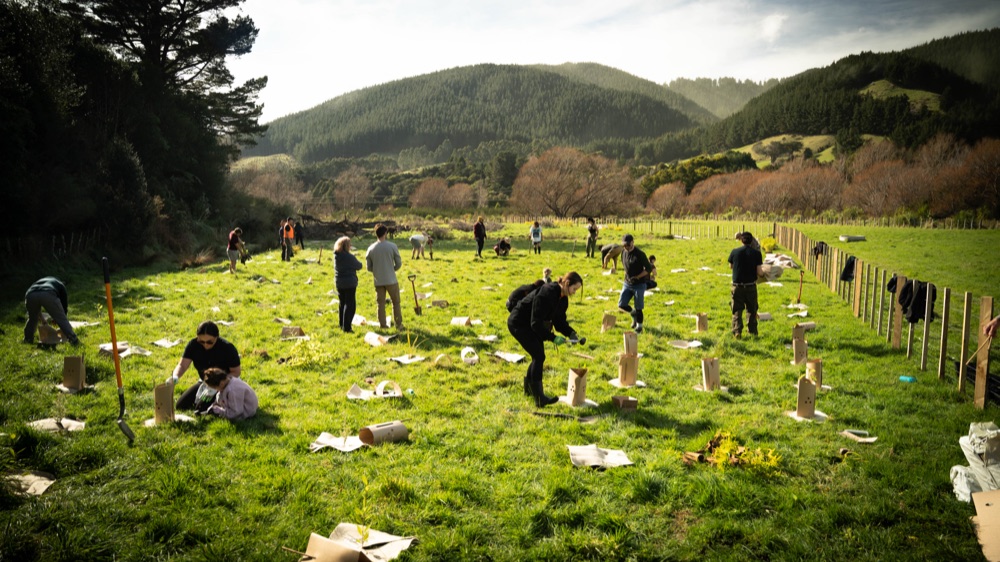
Planting trees in the field
01

Wet weather gear

A real waterproof — winter here is honest about its weather.

02

Sturdy boots

Not your gym shoes. They will get muddy and they will get wet.

03

Layers

Thermals, fleeces, beanies, gloves. Cold mornings, mild middays, cold evenings.

04

Optional outdoor tools

We've got plenty, but maybe you have a fav spade.

05

A book or two

Long evenings, no obligations — or select one from our choice library.

06

A camera if that's your thing

Phone is fine. We love when people document the season.

07

Personal toiletries

We provide household stuff but bring your own personal kit.

08

Whatever quiet practice keeps you good

Yoga mat, journal, sketchbook, music, walking shoes, whatever it is.

Got questions?

Reach out — we'd rather hear from you than not.

Email us with anything — questions about the residency, ideas you'd like to bring, thoughts on whether it's a fit. We'll write back within a few days.

online@mangaroa.org

Applications close

Monday, 11 May 2026

You'll hear from us by

Thursday, 14 May 2026

Residency runs

1 June – 31 July 2026

Join the movement

Apply now for winter 2026

Takes about five minutes. We read every application. Strong candidates will be invited to a 30-minute Zoom kōrero — a yarn, not an interview. Replies by Thursday, 14 May 2026.

01 / 14

What's your name?

The one we'd put on a welcome card.

1 / 14